
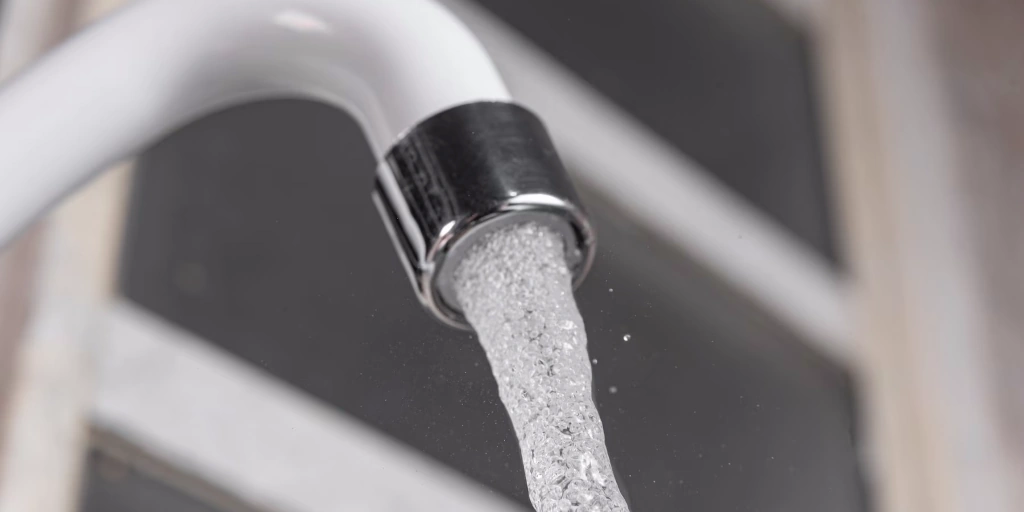
When it comes to maintaining the comfort, safety, and functionality of your home, two often overlooked yet crucial factors are water pressure and drainage. Both play a fundamental role in ensuring your plumbing operates smoothly, protecting your home from water damage, and contributing to your overall well-being. Whether you’re installing new plumbing systems or tackling common issues like low water pressure or poor drainage, addressing these concerns properly can lead to a more efficient, sustainable home.
In this article, we’ll explore how to improve your home by optimizing water pressure and drainage, ensuring that these systems function harmoniously to create a more comfortable and protected living space.
Understanding the Importance of Water Pressure and Drainage
Water pressure and drainage might seem like two distinct elements of home plumbing, but they are intrinsically connected. Water pressure is the force that pushes water through your pipes, and it affects everything from your shower to the washing machine. When it’s too high or too low, it can disrupt daily activities, cause damage, and waste resources. Drainage, on the other hand, refers to the system that carries wastewater away from your home. Proper drainage prevents water from pooling around your foundation, damaging your yard, or even flooding your basement.
Together, water pressure and drainage contribute to your home’s efficiency and durability. Here’s how you can improve both.
1. Measure and Regulate Your Water Pressure
The first step in optimizing your home’s water system is understanding the current state of your water pressure. Too little pressure can make simple tasks like showering or washing dishes a frustrating chore, while excessively high pressure can stress your plumbing, potentially causing leaks, ruptured pipes, and appliance malfunctions.
How to Measure Water Pressure
To measure your water pressure, you can easily purchase a pressure gauge from a hardware store. Attach the gauge to an outdoor faucet or a hose bib, then turn on the water to get a reading. Ideal water pressure for most homes falls between 45-60 psi (pounds per square inch). If your reading falls outside of this range, adjustments may be necessary.
Regulating Water Pressure
If the water pressure in your home is too high, a pressure regulator can be installed on your main water line. This device helps maintain a consistent, safe water pressure throughout the house. If your pressure is too low, the problem could be due to clogged pipes, a failing pressure regulator, or an issue with the municipal water supply. In this case, consulting a professional plumber is recommended to pinpoint the cause and implement a solution.
Tip: Regularly checking your water pressure can help you avoid long-term damage and ensure that your home’s plumbing remains in top condition.
2. Install a Water Softener for Better Pressure
In many areas, hard water is a common problem that can impact both water pressure and drainage. Hard water contains high levels of minerals, such as calcium and magnesium, which can build up in pipes over time. This buildup, also known as scaling, narrows the pipes, reducing water flow and pressure. It can also clog faucets, showerheads, and appliances, leading to inefficiency and potential damage.
Installing a water softener can mitigate the effects of hard water. Water softeners work by using a process called ion exchange to remove calcium and magnesium from the water, replacing them with sodium ions. This prevents mineral deposits from accumulating in your pipes, improving water pressure and extending the lifespan of your plumbing system.
Tip: If you live in an area known for hard water, a water softener is a wise investment. Not only does it improve water pressure, but it also reduces the need for frequent plumbing repairs caused by mineral buildup.
3. Ensure Proper Drainage Around the Home
Poor drainage can lead to a host of problems for your home, from foundation damage to basement flooding. It’s crucial to ensure that water flows away from your home’s foundation, especially during heavy rainfall or snowmelt. Water pooling around the foundation can lead to erosion, water damage, and even cracks in the structure of your home.
Maintaining Gutters and Downspouts
Start by inspecting your gutters and downspouts. Clean your gutters regularly to prevent debris from blocking the flow of water. Clogged gutters can cause water to overflow and accumulate around the foundation, which increases the risk of water damage. Additionally, ensure that your downspouts direct water at least 3-4 feet away from your foundation.
Landscape for Drainage
The grading of your yard plays an important role in directing water away from your home. If the land around your house slopes inward, water will naturally flow toward the foundation. Proper landscaping can address this issue by creating a slope away from the house. Adding a French drain or surface drain in areas where water collects can also help prevent water buildup.
Tip: For homes located in flood-prone areas or regions with heavy rainfall, installing a sump pump in your basement or crawl space can provide added protection by removing excess water before it causes damage.
4. Use a Backflow Prevention System
In homes with complex plumbing systems or located in areas with a history of backflow incidents, a backflow prevention system is essential. Backflow occurs when contaminated water flows backward into your clean water supply due to changes in water pressure. This can happen if a water main breaks or if there’s a sudden drop in municipal water pressure.
A backflow preventer is a valve that allows water to flow only in one direction, preventing any water from reversing into your plumbing system. Installing a backflow preventer can help safeguard your home from potentially harmful water contamination.
Tip: Ensure that your backflow prevention device is installed correctly and tested regularly to comply with local plumbing codes.
5. Replace Old or Corroded Pipes
As your home ages, the condition of your pipes can deteriorate. Galvanized steel pipes, for example, can corrode over time, leading to rust buildup, reduced water pressure, and potential leaks. Replacing old pipes with more durable materials, such as copper, PEX, or PVC, can improve both water pressure and drainage. Newer pipes are less prone to corrosion and can maintain better water flow throughout your home.
Tip: If you live in an older home and notice a sudden drop in water pressure or frequent leaks, it may be time to consider a pipe replacement.
6. Install Drainage Solutions for Specific Problem Areas
If certain areas of your home experience water accumulation, such as a basement, crawl space, or low-lying yard, consider installing additional drainage solutions. French drains, sump pumps, and dry wells are all effective methods for managing excess water. These systems direct water away from vulnerable areas, preventing flooding and damage.
French Drains: These are trenches filled with gravel and a perforated pipe that redirects water away from the foundation.
Sump Pumps: Installed in basements or crawl spaces, sump pumps remove water that collects below ground level, especially in areas prone to flooding.
Dry Wells: A dry well is an underground structure that collects and dissipates excess water, often used in yards with poor natural drainage.
Tip: For serious drainage issues, it’s worth consulting a professional plumber or contractor to design and install a custom solution that fits your home’s unique needs.
7. Regular Maintenance and Inspections
Routine maintenance of your home’s plumbing system is essential for ensuring that both water pressure and drainage are functioning at their best. Regular inspections can help catch minor issues before they become major problems. Pay attention to your pipes, faucets, and drainage systems, and schedule professional inspections at least once a year.
Tip: Keep a checklist of plumbing maintenance tasks and stay on top of cleaning gutters, inspecting pipes, and testing water pressure to ensure ongoing performance.
Conclusion
Water pressure and drainage are integral to a well-functioning plumbing system and the overall comfort of your home. By measuring and regulating water pressure, addressing hard water issues, ensuring proper drainage around your home, and maintaining your plumbing system, you can improve both water flow and drainage efficiency. Implementing these strategies will not only enhance your daily living experience but also protect your home from water damage, preserve the longevity of your plumbing system, and reduce the likelihood of expensive repairs.
Investing in these improvements now will pay dividends in the long run, ensuring your home remains a safe, efficient, and comfortable place to live for years to come. Whether it’s through small maintenance tasks or larger, more permanent solutions, addressing water pressure and drainage will set the foundation for a better home.
You May Also Like
How Leaking Pipes Damage Hom ...
16 January 2026
Local Plumbing Expertise You ...
22 August 2025
Repair vs. Water Pressure: W ...
05 April 2025
Popular Post

Understanding Pool Compliance Certificates in NSW
15 September 2026
Elevate Your Interiors With Precision-Crafted Wall Mouldings
05 September 2026
