
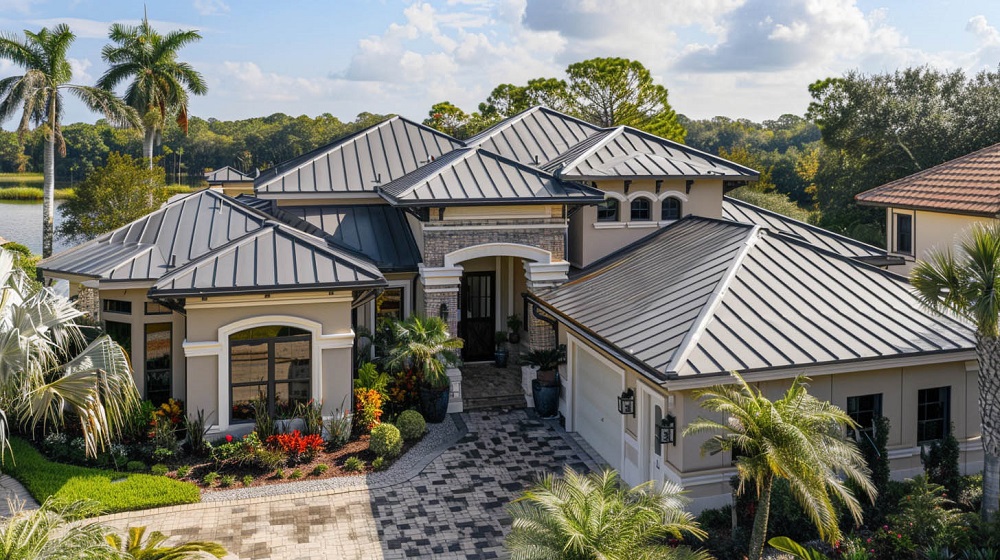
Choosing the right roofing material for hot climate regions is essential for maintaining indoor comfort, reducing energy costs, and extending the lifespan of your building. High temperatures, intense sunlight, and prolonged exposure to ultraviolet radiation can quickly degrade unsuitable roofing materials. Selecting heat-resistant, reflective, and durable roofing solutions helps improve thermal performance while protecting structural integrity.
This guide explores the most effective roofing materials for hot climates, their benefits, and how to select the right option for long-term performance.
Why Roofing Material Matters in Hot Climates
In regions with prolonged exposure to intense sunlight, roofing materials directly influence indoor temperature and energy efficiency. A poorly chosen roof can trap heat, increase cooling costs, and reduce occupant comfort.
Key challenges faced by roofs in hot climates include:
- Continuous exposure to ultraviolet radiation
- Thermal expansion and contraction
- Increased cooling energy demand
- Faster material degradation
- Reduced indoor comfort without insulation support
Heat-reflective and ventilated roofing systems help minimize these effects and extend the roof’s service life.
Key Features to Look for in Roofing Materials for Hot Regions
Before selecting a roofing material, evaluate its ability to manage heat effectively.
Important performance features include:
- High solar reflectance to reduce heat absorption
- Thermal emissivity to release absorbed heat quickly
- Durability under extreme sunlight exposure
- Resistance to cracking and warping
- Compatibility with insulation and ventilation systems
Materials combining reflectivity and thermal resistance perform best in hot environments.
Clay Tiles
Clay tiles are one of the most effective roofing materials for hot climate regions due to their natural thermal resistance and airflow structure.
Advantages of clay tiles include:
- Excellent natural insulation properties
- Ability to reflect sunlight effectively
- Long lifespan exceeding several decades
- Resistance to fading and weather damage
- Natural ventilation through curved tile structure
Clay tiles are especially popular in desert and tropical environments where heat management is essential.
Concrete Tiles
Concrete tiles offer strong thermal resistance and durability while maintaining a similar appearance to clay tiles.
Benefits include:
- High heat resistance
- Cost-effective alternative to clay
- Long service life with minimal maintenance
- Compatibility with reflective coatings
- Strong resistance to harsh weather exposure
They are heavier than many alternatives, so structural support must be considered before installation.
Metal Roofing with Reflective Coatings
Metal roofing performs exceptionally well in hot climates when treated with reflective coatings.
Key advantages include:
- High solar reflectivity
- Lightweight structure
- Quick installation
- Long service lifespan
- Strong resistance to cracking and shrinking
Reflective coatings significantly enhance performance by reducing heat absorption and improving indoor comfort.
Slate Roofing
Slate is a premium roofing material known for durability and thermal performance.
Benefits include:
- Natural heat resistance
- Extremely long lifespan
- Fire resistance
- Low maintenance requirements
- Elegant appearance suitable for upscale construction
Although slate is heavier and more expensive, its long-term durability makes it a valuable investment.
Cool Roof Membranes
Cool roof membranes are specially engineered materials designed to reflect more sunlight and absorb less heat.
Common types include:
- White thermoplastic membranes
- Reflective elastomeric coatings
- Modified bitumen sheets
Advantages include:
- Significant indoor temperature reduction
- Lower energy consumption
- Suitable for residential and commercial buildings
- Improved roof longevity
- Cost-effective retrofit solutions
Cool roof technology is especially effective in urban areas experiencing high surface heat accumulation.
Green Roofing Systems
Green roofs provide natural insulation by incorporating vegetation layers over waterproof membranes.
Benefits include:
- Reduction of rooftop heat absorption
- Improved air quality around buildings
- Extended waterproof membrane lifespan
- Enhanced stormwater management
- Additional aesthetic value
Although installation costs are higher, long-term environmental and thermal benefits are substantial.
Asphalt Shingles with Reflective Technology
Traditional asphalt shingles tend to absorb heat, but modern reflective versions improve performance significantly.
Advantages include:
- Affordable installation costs
- Wide availability
- Improved solar reflectance with advanced coatings
- Compatibility with various architectural styles
- Easier replacement compared to heavier materials
Reflective shingles are suitable for homeowners seeking cost-efficient heat-resistant roofing options.
Importance of Proper Roof Ventilation
Even the best roofing material performs poorly without proper ventilation.
Effective ventilation helps:
- Release trapped heat from attic spaces
- Reduce indoor cooling demand
- Prevent moisture buildup
- Extend roof lifespan
- Improve occupant comfort
Combining reflective roofing with ventilation creates optimal thermal performance in hot regions.
How Roof Color Affects Heat Performance
Roof color plays a major role in temperature control.
Light-colored roofs:
- Reflect more sunlight
- Stay cooler during peak heat hours
- Reduce indoor temperature fluctuations
- Improve energy efficiency
Darker roofs absorb more heat and should be paired with reflective coatings if used in hot climates.
Maintenance Tips for Roofs in Hot Climate Regions
Regular maintenance ensures long-term performance.
Recommended practices include:
- Inspecting reflective coatings annually
- Cleaning debris accumulation
- Checking for cracks and surface damage
- Ensuring ventilation openings remain clear
- Reapplying protective coatings when needed
Preventive maintenance helps maximize durability and efficiency.
Frequently Asked Questions
Which roofing material keeps a house coolest in hot climates
Clay tiles, reflective metal roofing, and cool roof membranes are among the most effective options for reducing indoor heat buildup.
Are metal roofs too hot for tropical regions
Metal roofs with reflective coatings perform very well in tropical regions because they reflect sunlight rather than absorb heat.
What roof color is best for hot weather
Light colors such as white, beige, and light gray reflect sunlight effectively and help maintain cooler indoor temperatures.
Do green roofs reduce indoor temperatures significantly
Yes, green roofs provide natural insulation that reduces rooftop heat transfer and improves overall thermal comfort.
Are concrete tiles suitable for extreme summer temperatures
Concrete tiles perform well in extreme heat due to their thermal mass and durability.
How long do reflective roof coatings last in hot climates
Most reflective coatings last between five and fifteen years depending on environmental exposure and maintenance quality.
Is roof insulation necessary even with heat-reflective materials
Yes, insulation enhances thermal resistance and improves overall energy efficiency when combined with reflective roofing materials.
You May Also Like
Innovative Solutions for Ref ...
14 August 2025
Residential Roofing Costs Fa ...
21 July 2025
Why Your Roofing Strategy Ne ...
10 April 2025
Popular Post

Understanding Pool Compliance Certificates in NSW
15 September 2026
Elevate Your Interiors With Precision-Crafted Wall Mouldings
05 September 2026
