
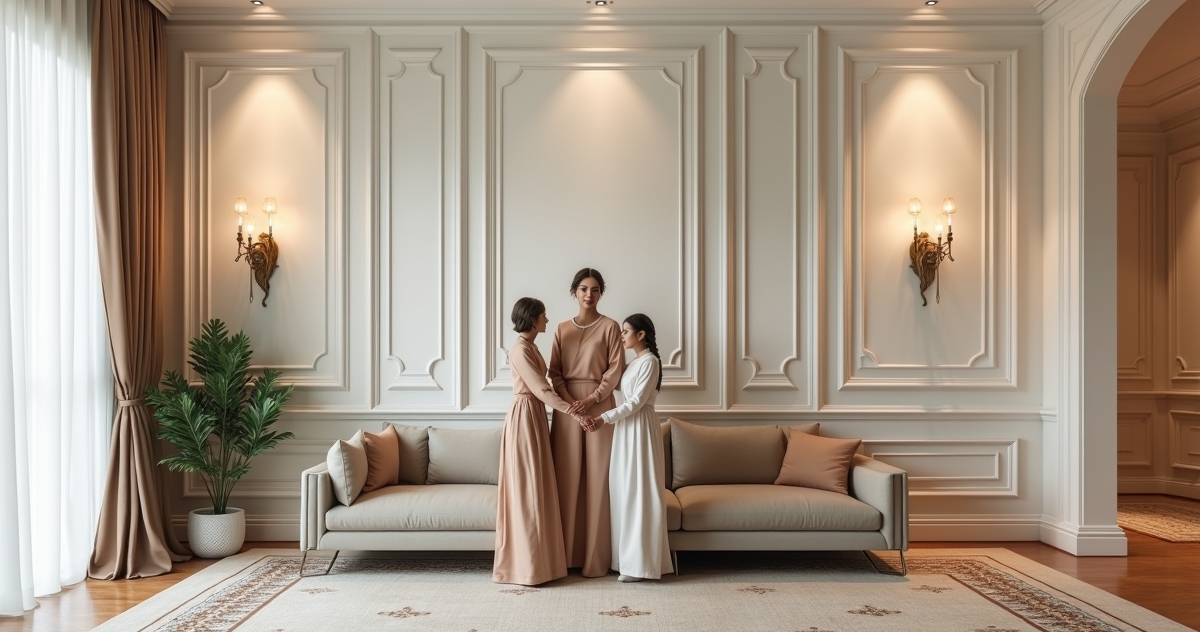
Wall mouldings shape how a room reads. They define proportion, add depth, and give flat surfaces a sense of rhythm. In Thailand, where interior design blends traditional forms with modern minimalism, well-made mouldings carry real weight. Resources such as https://www.basreliefmouldings.com/ show how detailed relief work can bring texture and character to contemporary homes and commercial spaces across Bangkok, Chiang Mai, and Phuket.
Thai interiors have shifted over the past decade. Designers favour clean lines, but they still want warmth and detail. Precision-made mouldings answer this tension directly. They add articulation to a wall without overwhelming it. Studios that reference specialists like https://www.basreliefmouldings.com/ often use restrained profiles to frame doorways, ceilings, and feature walls in ways that feel deliberate rather than decorative for its own sake.
Climate matters here. Thailand’s heat and humidity affect how materials behave over time. Good mouldings account for expansion, moisture, and long-term stability. Polyurethane and high-density polymer profiles resist warping and cracking better than untreated timber, which makes them practical for tropical conditions. When you choose a moulding, think about both the visual effect and how the material holds up through the wet season.
Precision-Crafted Wall Mouldings in Thai Design
Traditional Thai architecture uses layered detail. Temple facades, teak houses, and carved panels all rely on repetition and depth. Modern mouldings echo this heritage in a simpler language. A row of slim cornices can suggest the tiered rooflines seen across the country, while a single relief panel can act as a quiet focal point in an otherwise plain room.
Scale is everything. High ceilings, common in older shophouses and newer condominium developments, suit deeper cornices and taller wainscoting. Compact apartments, which fill Bangkok’s dense residential towers, call for thinner profiles that add interest without shrinking the space. Match the moulding to the room, not the other way around.
Colour choices also shape the result. Many Thai interiors lean toward warm neutrals, soft whites, and muted earth tones. Mouldings painted a shade darker or lighter than the wall create subtle shadow lines. Metallic or gilded finishes, used sparingly, nod to classical detailing without tipping into excess.
Practical Points Before You Install
Measure your walls carefully and map the layout before cutting anything. Consistent spacing keeps panelled walls looking intentional. Use adhesive rated for humid environments, and allow materials to acclimatise to the room before fitting them.
Consider the function of each space. Living rooms and entrances handle bold detailing well. Bedrooms and study areas often work better with lighter, calmer profiles. Kitchens and bathrooms need moisture-resistant options that clean easily.
Lighting completes the effect. Position lamps or wall washers to graze across relief surfaces. This brings out the texture and gives the mouldings a three-dimensional quality after dark.
Wall mouldings reward attention to detail. Choose profiles that suit your architecture, respect the climate, and support the mood you want. Done well, they lift an ordinary interior into something considered, structured, and distinctly your own.
Popular Post

Elevate Your Interiors With Precision-Crafted Wall Mouldings
05 September 2026

