
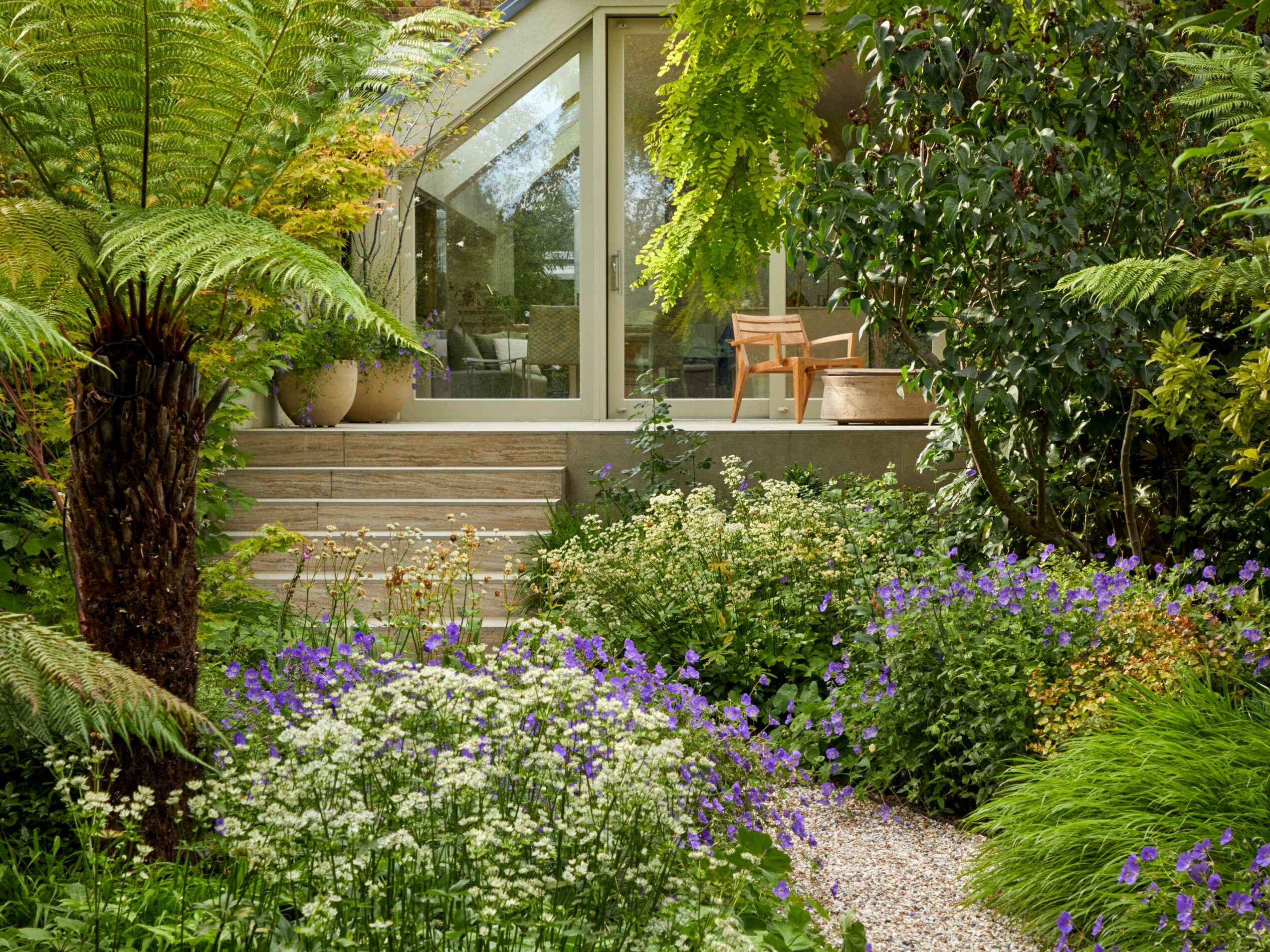
Gardening is no longer just about planting flowers or maintaining lawns. Today, outdoor spaces are being transformed into purposeful, sustainable, and deeply personal environments. Homeowners and urban dwellers alike are reimagining gardens as extensions of their lifestyles, blending aesthetics with ecology, technology, and well-being. These evolving gardening trends are reshaping how we interact with the outdoors.
Sustainable Gardening Takes Center Stage
Environmental awareness is driving a major shift in how gardens are planned and maintained. Sustainability is no longer optional—it’s foundational.
Eco-Conscious Practices on the Rise
Gardeners are prioritizing methods that reduce waste and conserve resources, such as:
-
Rainwater harvesting systems to reduce reliance on municipal water
-
Composting to recycle kitchen and garden waste into nutrient-rich soil
-
Organic fertilizers and pest control to protect soil health and pollinators
These practices not only lower environmental impact but also create healthier, more resilient gardens.
Native Plants and Biodiversity Gardens
Plant selection is moving away from exotic, high-maintenance species toward flora that naturally thrives in local conditions.
Why Native Plants Matter
Native plants require less water and care while supporting local ecosystems. Their benefits include:
-
Improved biodiversity, attracting birds, bees, and butterflies
-
Reduced need for chemical inputs
-
Greater resistance to local pests and climate extremes
Gardens designed with biodiversity in mind feel more alive and dynamic throughout the year.
Outdoor Living Spaces Become Multi-Functional
Gardens are no longer separate from daily life. They are becoming functional living areas designed for relaxation, dining, and social connection.
Blurring the Line Between Indoors and Outdoors
Popular features include:
-
Outdoor kitchens and dining areas
-
Cozy seating zones with fire pits or pergolas
-
Garden lighting that extends usability into the evening
These spaces enhance property value while encouraging more time spent outdoors.
Vertical and Small-Space Gardening Solutions
As urban living expands, gardeners are finding creative ways to grow more in less space.
Making the Most of Limited Areas
Vertical gardening is gaining momentum through:
-
Living walls with herbs, vegetables, or ornamentals
-
Hanging planters and tiered shelves
-
Balcony and rooftop garden designs
This trend proves that even the smallest outdoor areas can be lush and productive.
Smart Technology Enters the Garden
Technology is quietly revolutionizing garden care, making it more efficient and accessible.
Intelligent Tools for Modern Gardeners
Innovations now commonly used include:
-
Smart irrigation systems that adjust watering based on weather
-
Soil moisture and nutrient sensors
-
App-controlled lighting and maintenance reminders
These tools reduce guesswork, save resources, and support consistent plant health.
Wellness-Focused and Mindful Gardening
Gardening is increasingly viewed as a form of self-care rather than a chore.
Designing Gardens for Mental Well-Being
Wellness-inspired gardens often feature:
-
Calming color palettes and soft textures
-
Fragrant plants like lavender and jasmine
-
Quiet corners for meditation or reflection
The emphasis is on creating restorative environments that promote relaxation and mindfulness.
Edible Landscaping and Homegrown Food
Growing food at home is becoming both a practical and aesthetic choice.
Beauty Meets Function
Edible landscaping integrates:
-
Fruit trees as focal points
-
Herbs woven into flower beds
-
Raised vegetable gardens with clean, modern lines
This approach supports healthier eating habits while reducing grocery costs and food miles.
Naturalistic and Low-Maintenance Designs
Perfectly manicured lawns are giving way to more relaxed, nature-inspired landscapes.
Embracing Imperfection
These gardens prioritize:
-
Wildflower meadows instead of traditional turf
-
Mulched paths and informal planting layouts
-
Seasonal changes rather than year-round uniformity
The result is a space that feels organic, inviting, and easier to maintain.
Conclusion
Gardening trends today reflect deeper values—sustainability, wellness, and intentional living. Outdoor spaces are no longer static backdrops; they are evolving environments that support both personal well-being and ecological balance. Whether through smart technology, native plants, or multifunctional designs, modern gardens are redefining how we experience the outdoors.
Frequently Asked Questions
1. What gardening trend is best for beginners?
Low-maintenance gardens using native plants are ideal for beginners, as they require less water, care, and technical knowledge.
2. Are sustainable gardens more expensive to create?
Initial costs may be slightly higher, but sustainable gardens often save money long-term through reduced water use and maintenance.
3. Can gardening trends be applied to apartments or balconies?
Yes, vertical gardening, container planting, and smart irrigation systems are well-suited for small or urban spaces.
4. How do smart gardening tools actually save resources?
They optimize watering and maintenance schedules based on real-time data, preventing overuse of water and energy.
5. What plants are commonly used in wellness gardens?
Plants with soothing scents, soft foliage, and calming colors—such as lavender, chamomile, and ornamental grasses—are popular choices.
6. Is edible landscaping practical year-round?
It depends on climate, but with seasonal planning and the right plant choices, edible landscaping can be productive most of the year.
7. How can I transition from a traditional lawn to a modern garden design?
Start by reducing lawn areas gradually, introducing native plants, and adding functional zones like seating or garden beds over time.
You May Also Like

Fast Growing Leafy Greens Fo ...
06 December 2025

Mixing Edible and Decorative ...
26 September 2025
Landscaping vs. Greenhouse: ...
08 April 2025
Popular Post

Understanding Pool Compliance Certificates in NSW
15 September 2026
Elevate Your Interiors With Precision-Crafted Wall Mouldings
05 September 2026
