
Introduction
Many homeowners want to keep their homes free from pests while also protecting the environment and the health of their families. Traditional pest treatments can sometimes involve strong chemicals that may not always be the preferred choice for households with children, pets, or individuals with allergies. Fortunately, eco-friendly Pest Control methods offer effective alternatives that focus on prevention, natural solutions, and responsible pest management. These approaches help reduce the use of harmful chemicals while still controlling common household pests such as ants, cockroaches, mosquitoes, rodents, termites, and flies. By combining environmentally friendly practices with professional expertise, homeowners can maintain a clean, healthy, and pest-free home without causing unnecessary harm to the surrounding environment.
Keep Your Home Clean and Dry
The first step in eco-friendly Pest Control is maintaining a clean and dry home. Most pests are attracted to food crumbs, standing water, and cluttered spaces where they can easily hide. Cleaning kitchen counters, sweeping floors, and washing dishes promptly removes food sources that attract insects. Fixing leaking pipes and eliminating excess moisture also discourages pests such as cockroaches and termites. Regularly emptying garbage bins and storing food in airtight containers further reduces the chances of infestations. Good sanitation is one of the simplest and most effective ways to prevent pests naturally.
Seal Entry Points Around the Home
Pests often enter homes through tiny cracks, gaps, and openings that homeowners may not notice. Small spaces around doors, windows, plumbing pipes, vents, and foundations provide easy access for insects and rodents. Sealing these entry points is an important part of eco-friendly Pest Control because it prevents pests from entering instead of relying on chemical treatments after an infestation begins. Weather stripping, door sweeps, and caulking around windows and cracks create strong barriers that help keep unwanted pests outside where they belong.
Use Natural Pest Repellents
Many natural products can help discourage pests without introducing harsh chemicals into the home. Essential oils such as peppermint, citronella, eucalyptus, and tea tree oil are commonly used to repel certain insects. Vinegar solutions can help deter ants, while citrus scents may discourage spiders and other crawling insects. Although natural repellents may not eliminate large infestations, they can support regular Pest Control efforts by reducing pest activity in specific areas. Using natural alternatives alongside good cleaning habits creates a healthier indoor environment for families and pets.
Maintain Your Outdoor Spaces
The area surrounding your home plays a major role in preventing pests from entering. Overgrown bushes, tall grass, wood piles, and standing water create ideal breeding and hiding places for insects and rodents. Keeping the lawn trimmed, removing fallen leaves, cleaning gutters, and draining standing water reduces the number of pests near your property. Firewood should be stored away from the house, and tree branches should be trimmed so they do not touch the roof. Outdoor maintenance is an important part of eco-friendly Pest Control because it limits pest populations before they move indoors.
Encourage Natural Predators
Nature provides its own methods for controlling pests. Birds, ladybugs, spiders, frogs, and certain beneficial insects help reduce populations of mosquitoes, flies, aphids, and other unwanted pests. Homeowners can encourage these natural predators by creating a healthy garden environment with native plants and avoiding unnecessary pesticide use. This balanced approach supports environmentally friendly Pest Control while helping maintain local biodiversity. Allowing beneficial insects to thrive often reduces the need for chemical treatments in outdoor spaces.
Choose Professional Eco-Friendly Pest Control Services
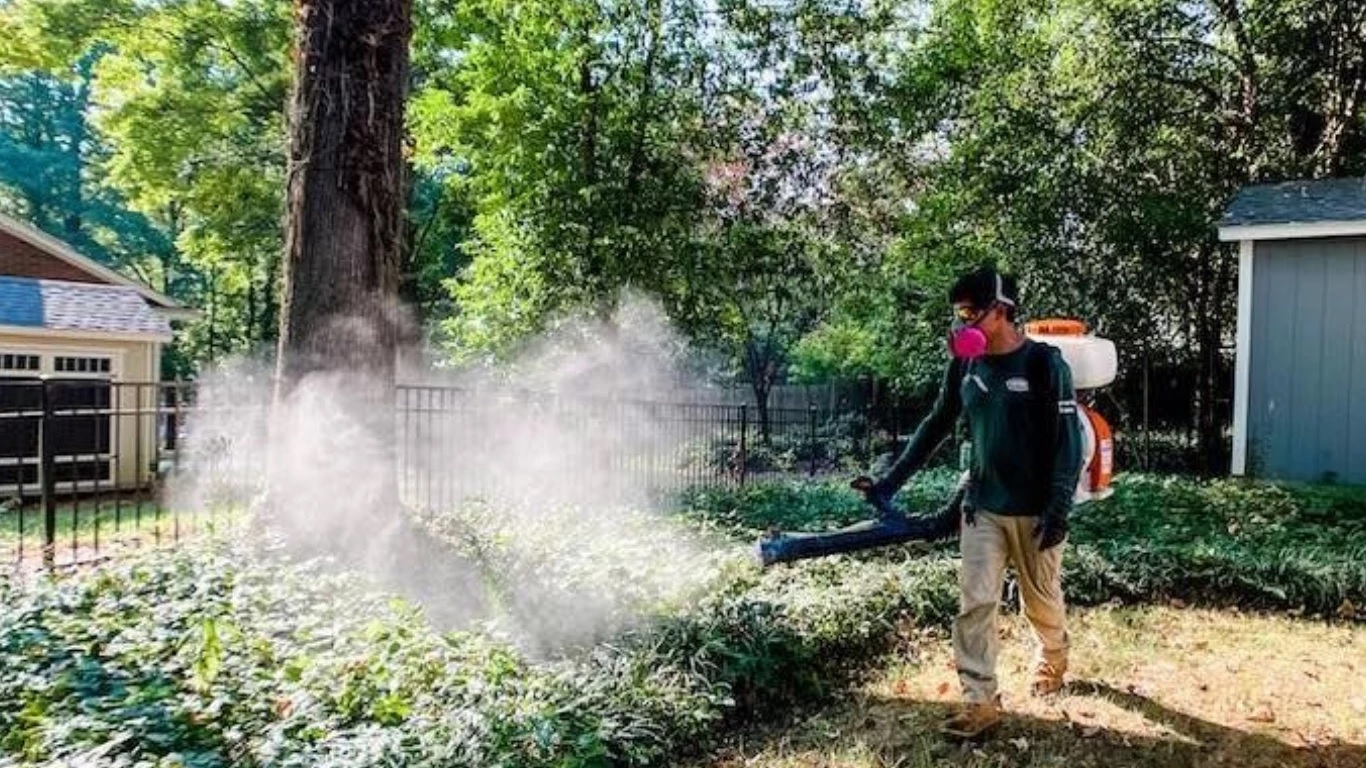
Professional pest management companies now offer environmentally responsible treatment options that are both effective and safe. These services focus on targeted applications, low-toxicity products, and integrated pest management techniques that minimize environmental impact. Instead of applying chemicals throughout the property, professionals carefully identify infestation areas and use treatments only where necessary. Eco-friendly Pest Control professionals also provide valuable advice on improving sanitation, sealing entry points, and preventing future infestations. Their expertise helps homeowners achieve long-term pest management while reducing unnecessary chemical exposure.
Focus on Prevention Instead of Treatment
The most effective eco-friendly pest management strategy is preventing infestations before they occur. Routine home inspections, regular cleaning, proper food storage, moisture control, and landscape maintenance all work together to keep pests away naturally. Preventive Pest Control reduces the need for repeated treatments and helps homeowners avoid major infestations that may require stronger solutions. By addressing conditions that attract pests, families can enjoy long-term protection while supporting a healthier home and environment.
Conclusion
Eco-friendly Pest Control offers an effective and responsible way to protect modern homes from unwanted insects and rodents. Through proper sanitation, sealing entry points, natural repellents, outdoor maintenance, and preventive practices, homeowners can significantly reduce the risk of pest infestations without relying heavily on harsh chemicals. Professional eco-friendly pest management services provide additional support by using targeted treatments that are safe for families, pets, and the environment. Investing in environmentally responsible Pest Control not only protects your home but also contributes to a healthier living space and a more sustainable future for everyone.
Popular Post

Understanding Pool Compliance Certificates in NSW
15 September 2026
Elevate Your Interiors With Precision-Crafted Wall Mouldings
05 September 2026

Recent Posts
- Understanding Pool Compliance Certificates in NSW September 15, 2026
- Elevate Your Interiors With Precision-Crafted Wall Mouldings September 5, 2026
- How to Choose the Right Waterborne Floor Finish for Your Timber August 30, 2026
- How to Stay Organized Throughout the Entire Moving Process August 5, 2026
- Best Roofing Materials for Hot Climate Regions March 19, 2026
- Rental Yield Calculation Methods for Property Investors February 18, 2026
- Best Cities Offering Strong Real Estate Growth February 15, 2026
Archives
- September 2026 (2)
- August 2026 (2)
- March 2026 (1)
- February 2026 (2)
- January 2026 (2)
- December 2025 (5)
- October 2025 (1)
- September 2025 (7)
- August 2025 (2)
- July 2025 (2)
- April 2025 (10)
- March 2025 (2)
- February 2025 (7)
- January 2025 (9)
- December 2024 (6)
- November 2024 (6)
- October 2024 (6)
- September 2024 (5)
Categories
- Cleaning & Maintenance (10)
- Flooring (1)
- Gardening & Outdoor (8)
- Home Decor (9)
- Home Improvement (7)
- HVAC (5)
- Interior (1)
- Moving (7)
- Pest Control (1)
- Plumbing (7)
- Real Estate & Property (7)
- Roofing (8)
- Smart Home (6)