
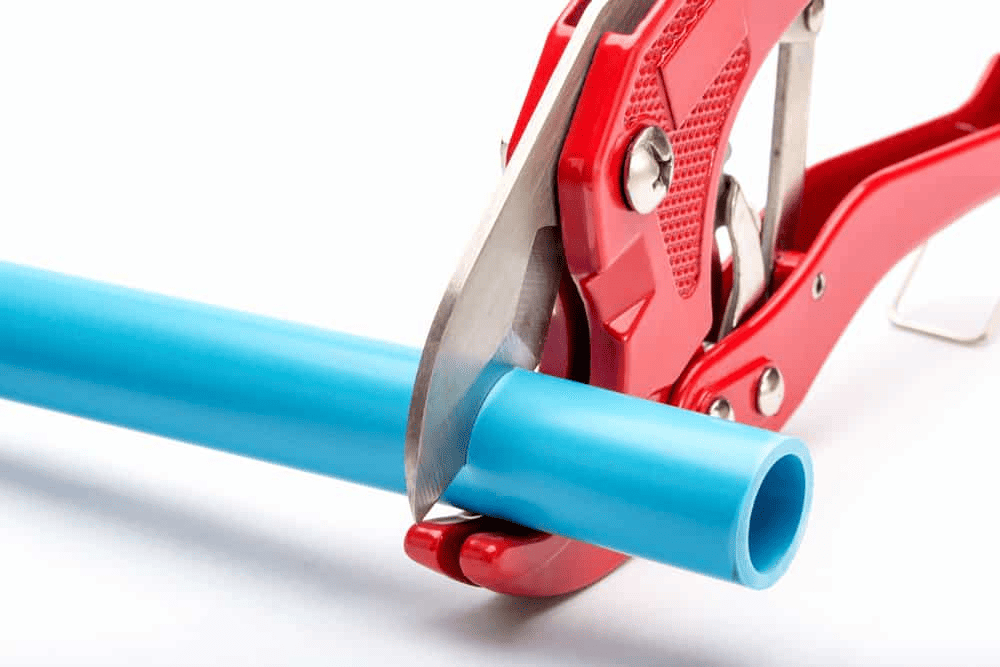
When it comes to plumbing, the age-old debate between “pipe” and “tools” isn’t just about the materials or the instruments used in a particular job—it’s about choosing the right approach to ensuring your plumbing system works efficiently and reliably. For both DIY enthusiasts and professional plumbers, understanding the roles and nuances of pipes and tools in plumbing projects is essential. While one might consider pipes to be the heart of any plumbing system and tools as the hands that manipulate them, in practice, both are equally important and interdependent. But how do you decide which is more critical when addressing plumbing issues?
In this article, we’ll explore the significance of both pipes and tools in the context of plumbing, weighing their individual contributions and discussing how they work together to create an effective, durable, and functional system. Ultimately, we’ll ask the crucial question: when tackling plumbing problems or projects, what works best—relying on the pipes themselves or the tools used to manage them?
The Role of Pipes in Plumbing
Pipes are the unsung heroes of the plumbing world. They are the foundational infrastructure that transports water, waste, and gas throughout homes, buildings, and infrastructure. Whether you’re installing a new system or repairing an existing one, the type of pipe you choose, and the way it’s laid out, plays an instrumental role in the efficiency and longevity of the plumbing system.
Pipe Materials and Their Importance
The type of pipe material you use can significantly affect your plumbing system’s performance. Historically, plumbers used materials like lead and galvanized steel, but modern plumbing systems are more likely to use a combination of copper, PEX (cross-linked polyethylene), and PVC (polyvinyl chloride). Each of these materials has its advantages and limitations:
-
Copper Pipes: Known for their durability and reliability, copper pipes are resistant to corrosion and have been a staple of plumbing for decades. They are also naturally antimicrobial, which means they’re less likely to harbor harmful bacteria. However, they are relatively expensive and require skill to install due to the need for soldering.
-
PEX Pipes: PEX has gained popularity in recent years due to its flexibility, ease of installation, and lower cost. Unlike rigid copper or PVC pipes, PEX can bend around corners, reducing the need for fittings and minimizing potential leak points. It’s also resistant to scaling and corrosion, making it ideal for areas with hard water.
-
PVC Pipes: PVC pipes are inexpensive, lightweight, and easy to work with, making them a common choice for residential plumbing. They’re especially popular for waste and vent lines. However, they are less durable under extreme conditions and may crack in freezing temperatures.
-
Galvanized Steel Pipes: Although galvanized steel pipes are rarely used today for water supply lines, they are still found in older homes. These pipes corrode over time, leading to clogs and reduced water pressure. Their use is generally being phased out in favor of more reliable materials.
Each type of pipe material offers distinct advantages depending on the situation. Copper is great for longevity and water safety, while PEX is easier to install in tight spaces. PVC, on the other hand, is inexpensive and well-suited for drainage and waste systems.
Pipes: A Foundation of Functionality
The right pipe is essential to the long-term efficiency of a plumbing system. Improper installation, choosing the wrong material for a particular application, or neglecting to replace old or damaged pipes can lead to significant plumbing problems, including water leaks, low water pressure, and potential water contamination.
In essence, pipes form the backbone of plumbing systems. Without a solid foundation of quality materials, even the best tools or techniques cannot create a reliable, sustainable plumbing network.
The Role of Tools in Plumbing
While pipes are the foundation, plumbing tools are the essential instruments that make maintenance, installation, and repairs possible. A professional plumber’s toolbox is filled with an array of specialized tools, each designed for a particular function. Whether you’re a DIY homeowner or a seasoned professional, having the right tools for the job can make a world of difference.
Basic Plumbing Tools: The Essentials
Several tools are indispensable for anyone working with plumbing systems, whether you’re installing a new line, repairing a leaky faucet, or replacing old pipes. These tools ensure that pipes can be correctly fitted, sealed, and maintained:
-
Pipe Wrenches: One of the most iconic tools in plumbing, pipe wrenches are used to grip and turn pipes, especially in tight spaces or when dealing with stubborn joints.
-
Plumber’s Tape (Teflon Tape): This tape is used to seal pipe threads to prevent leaks at the joints. It’s especially useful for threaded metal pipes and helps provide a watertight seal.
-
Pipe Cutters: Whether you’re working with copper, PVC, or PEX, pipe cutters make the task of cutting pipes to the required length much easier and more precise. Some cutters are designed for specific materials, ensuring a clean cut every time.
-
Plumbing Snake: This tool is essential for clearing clogged drains. It works by breaking through blockages in pipes, allowing for smooth water flow. While a plunger may work for minor clogs, a plumbing snake can tackle more stubborn or deep-rooted obstructions.
-
Soldering Equipment: For copper pipes, soldering tools are essential for creating airtight and leak-free connections. The process requires skill, but it is a crucial step in ensuring the durability of a copper plumbing system.
-
Pressure Gauges: In cases of low water pressure or suspected issues in the system, a pressure gauge helps measure the pressure in the pipes, allowing plumbers to diagnose the problem and determine if adjustments need to be made.
While DIYers can often complete basic repairs with the right tools, professional plumbers have access to more specialized equipment like pipe-bending machines, hydro jetters, and pipe locators—each designed to handle more complex issues like extensive blockages, difficult pipe configurations, or in-depth leak detection.
Pipe vs. Tools: Which Is More Important?
Ultimately, choosing between pipes and tools isn’t a matter of one being more important than the other; they are both indispensable for a functional plumbing system. The decision of which element takes precedence depends largely on the context and the specific plumbing needs of the project.
-
In New Installations: The quality and selection of pipes are paramount. Choosing the right pipe materials, based on factors like water quality, local climate, and expected usage, is essential for the system’s long-term success. For instance, PEX might be ideal for areas where flexibility and cost-efficiency are key, while copper may be the choice for high-end, long-lasting water supply lines.
-
For Maintenance and Repairs: Tools become indispensable when it’s time to repair or maintain an existing system. Tools allow plumbers to fix leaks, clear blockages, replace faulty components, and address pressure issues. Even with the best pipes, the right tools are necessary to ensure that any issues are quickly and effectively resolved.
-
In Complex Plumbing Systems: In cases where advanced plumbing issues arise, such as deep-seated blockages, pipe corrosion, or installation of high-end appliances, both pipes and tools are equally critical. Professional plumbers rely on a combination of high-quality pipe materials and specialized tools to tackle intricate problems, ensuring that repairs and replacements are both durable and effective.
Conclusion: A Synergy of Pipes and Tools
When comparing pipe vs. tools in plumbing, the true answer is that both work best when used together. Pipes provide the necessary infrastructure for a plumbing system, while tools allow for the precise work needed to install, repair, and maintain that infrastructure. Quality pipes ensure a reliable and efficient system, while the right tools ensure that those pipes are correctly maintained, installed, and repaired.
In the world of plumbing, you can’t have one without the other. A top-notch plumbing system relies on the synergy between well-chosen materials and expertly wielded tools. For homeowners and professionals alike, understanding the roles of both pipes and tools ensures that plumbing projects are completed effectively, efficiently, and with lasting results.
You May Also Like
How Leaking Pipes Damage Hom ...
16 January 2026
Local Plumbing Expertise You ...
22 August 2025
Repair vs. Water Pressure: W ...
05 April 2025
Popular Post

Understanding Pool Compliance Certificates in NSW
15 September 2026
Elevate Your Interiors With Precision-Crafted Wall Mouldings
05 September 2026
