
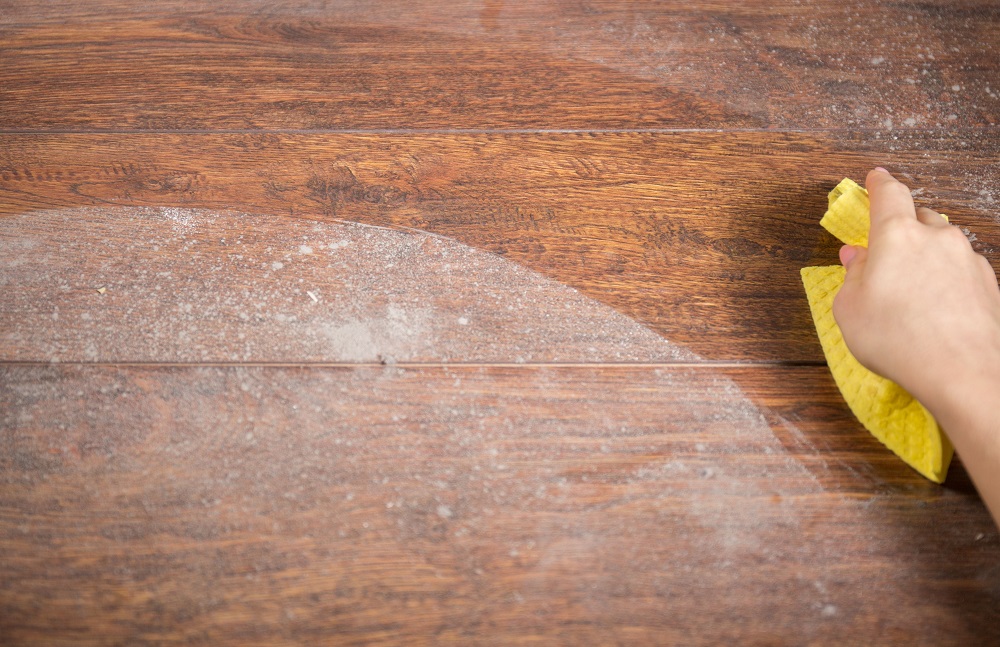
Seasonal changes bring more than shifting temperatures—they also introduce different types of dirt, stains, and buildup into homes, vehicles, and outdoor spaces. From spring pollen to winter salt residue, understanding seasonal dirt helps you clean more effectively while protecting surfaces and health. This guide explains the most common types of seasonal dirt and safe, practical ways to remove them without causing damage.
What Is Seasonal Dirt?
Seasonal dirt refers to debris, stains, and residues that appear or intensify during specific times of the year due to weather, environmental changes, and human activity.
Unlike everyday dust, seasonal dirt often:
-
Bonds more tightly to surfaces
-
Contains allergens or chemicals
-
Requires targeted cleaning methods
Recognizing the source is the first step toward safe and effective removal.
Common Types of Seasonal Dirt
Spring: Pollen, Mud, and Allergens
Spring introduces airborne particles that cling to nearly everything.
Typical problems
-
Yellow-green pollen on windows and cars
-
Mud tracked indoors from rain-soaked soil
-
Increased indoor allergens
Where it settles
-
Window sills and screens
-
Carpets and entryways
-
Outdoor furniture
Summer: Dust, Sand, and Grease
Dry weather and increased activity create stubborn residues.
Typical problems
-
Fine dust from open windows
-
Sand from beaches and playgrounds
-
Greasy grime from outdoor cooking
Where it settles
-
Floors and upholstery
-
Patios and decks
-
Kitchen surfaces
Autumn: Leaves, Sap, and Organic Debris
Falling foliage brings natural but sticky messes.
Typical problems
-
Leaf stains on walkways
-
Tree sap on cars and outdoor furniture
-
Decomposing organic matter
Where it settles
-
Gutters and porches
-
Driveways
-
Outdoor seating areas
Winter: Salt, Slush, and Moisture
Cold weather introduces some of the most damaging dirt.
Typical problems
-
Road salt residue
-
Slushy water stains
-
Mold from trapped moisture
Where it settles
-
Entryway floors and mats
-
Shoes and boots
-
Vehicles and garages
Why Safe Dirt Removal Matters
Using harsh methods may remove dirt quickly but can damage surfaces or harm health.
Risks of unsafe cleaning
-
Surface corrosion or fading
-
Skin and respiratory irritation
-
Environmental harm from chemical runoff
Safe cleaning preserves:
-
Flooring finishes
-
Fabric fibers
-
Indoor air quality
Safe and Effective Ways to Remove Seasonal Dirt
Start With Dry Removal
Always remove loose debris before adding moisture.
Best tools
-
Soft-bristle brooms
-
Microfiber cloths
-
HEPA-filter vacuums
This step prevents dirt from spreading or embedding deeper.
Use Gentle, Season-Appropriate Cleaners
Match the cleaner to the dirt type.
Safe options
-
Warm water with mild dish soap
-
White vinegar diluted with water (for mineral or salt residue)
-
Baking soda paste for organic stains
Avoid mixing cleaning agents, especially vinegar and bleach.
Control Moisture Carefully
Excess water can worsen damage.
Best practices
-
Wring mops thoroughly
-
Dry surfaces immediately after cleaning
-
Use dehumidifiers during wet seasons
Protect High-Traffic Areas
Prevention reduces heavy buildup.
Smart prevention tips
-
Place mats at all entrances
-
Remove shoes indoors
-
Clean spills immediately
Eco-Friendly Cleaning Tips for Seasonal Dirt
Green cleaning methods are safer for both people and surfaces.
Eco-conscious solutions
-
Lemon juice for grease and odors
-
Steam cleaning for deep sanitation
-
Reusable microfiber instead of disposable wipes
These methods reduce chemical exposure while remaining effective.
Mistakes to Avoid When Cleaning Seasonal Dirt
-
Scrubbing aggressively with abrasive tools
-
Using high-pressure water on delicate surfaces
-
Ignoring manufacturer cleaning guidelines
-
Letting dirt sit for long periods
Gentle, consistent care is more effective than forceful cleaning.
Frequently Asked Questions
What is the safest way to remove pollen from outdoor surfaces?
Rinse with low-pressure water first, then wipe with a mild soap solution using a soft cloth to avoid scratching.
Can seasonal dirt cause long-term damage if ignored?
Yes. Salt, moisture, and organic debris can permanently stain, corrode, or promote mold growth if left untreated.
Is steam cleaning safe for all seasonal dirt?
Steam works well for sealed floors and upholstery but should not be used on unsealed wood or delicate fabrics.
How often should seasonal deep cleaning be done?
At least once per season, with high-traffic areas cleaned more frequently.
Are natural cleaners as effective as chemical ones?
For most seasonal dirt, natural cleaners are effective when used correctly and consistently.
How do I prevent winter salt from damaging floors?
Use absorbent mats, clean spills promptly, and wipe floors with a diluted vinegar solution to neutralize residue.
What’s the best way to clean seasonal dirt without triggering allergies?
Use HEPA vacuums, damp cloths instead of dry dusting, and avoid harsh chemical sprays.
By understanding how seasonal dirt forms and using safe, surface-friendly cleaning methods, you
You May Also Like

How to Choose a Sustainable ...
09 December 2025

Environmentally Safe Cleanin ...
09 December 2025
Essential Floor Cleaning Tec ...
04 December 2025
Popular Post

Understanding Pool Compliance Certificates in NSW
15 September 2026
Elevate Your Interiors With Precision-Crafted Wall Mouldings
05 September 2026
