
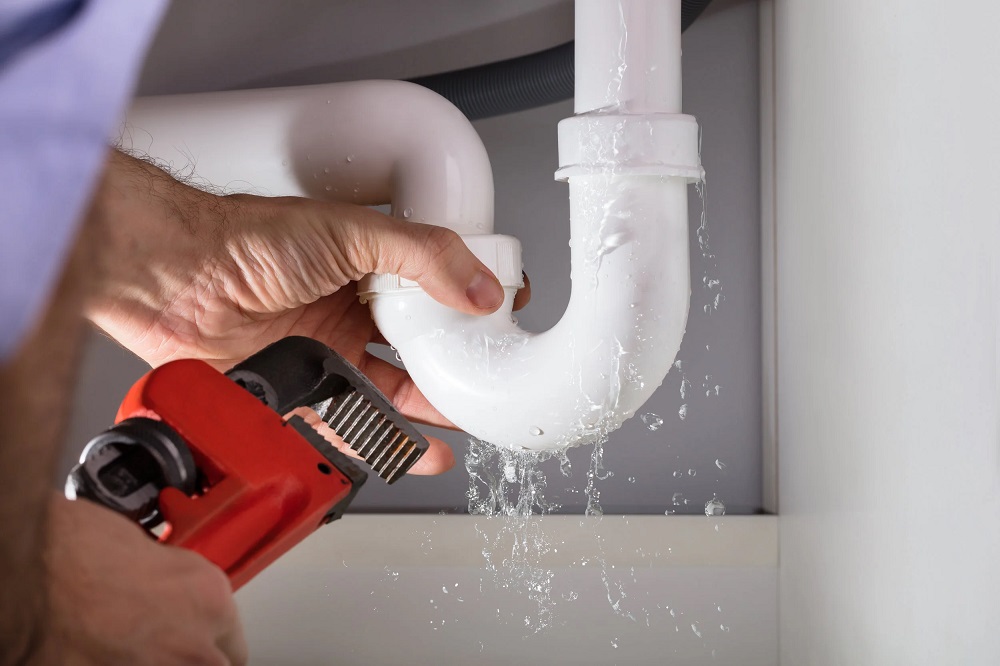
Leaking pipes are often dismissed as minor plumbing inconveniences, yet they can quietly undermine the structural strength of a home. When water escapes into walls, floors, or foundations, it weakens building materials over time and creates conditions that threaten long-term safety and stability. Understanding how pipe leaks affect structural integrity helps homeowners act early and prevent costly repairs.
How Pipe Leaks Start Affecting Structural Strength
Most pipe leaks begin small and remain hidden behind walls or under floors. Because they are not immediately visible, moisture accumulates gradually and weakens surrounding construction materials.
Water intrusion typically affects:
- Drywall and plaster surfaces
- Wooden framing members
- Floorboards and subfloor layers
- Insulation materials
Over time, these components absorb moisture and begin to lose strength. Persistent dampness encourages deformation and material breakdown that compromises the stability of structural elements.
Damage to Wooden Structural Components
Wood framing forms the backbone of many residential structures. When exposed to continuous moisture from leaking pipes, wood becomes vulnerable to swelling, warping, and rot.
Common effects include:
- Expansion that distorts wall alignment
- Softening that weakens load-bearing capacity
- Cracking during drying cycles
- Long-term structural instability
Rotting timber cannot safely support weight, which increases the risk of sagging ceilings, uneven flooring, or shifting walls. If left untreated, this damage spreads beyond the original leak location.
Foundation Weakening from Underground Pipe Leaks
Leaks occurring beneath floors or around underground pipes can directly affect a home’s foundation. Water alters soil composition and reduces its ability to support structural weight.
Consequences often include:
- Soil erosion beneath foundation slabs
- Uneven settling of the structure
- Formation of foundation cracks
- Increased vulnerability to shifting during seasonal changes
These issues may develop slowly but lead to major structural repairs if ignored.
Structural Risks Caused by Mold Growth
Moisture from leaking pipes creates an environment where mold thrives. Mold does not only affect indoor air quality; it also damages structural materials.
It contributes to:
- Breakdown of wooden framing
- Deterioration of drywall surfaces
- Weakening of ceiling panels
- Hidden decay inside enclosed wall cavities
Unchecked mold growth accelerates structural decline and increases repair complexity.
Ceiling and Floor Damage from Persistent Leaks
Leaks from overhead pipes often affect ceilings and upper floor structures first. Gravity pulls moisture downward, spreading damage across multiple layers of construction.
Typical warning signs include:
- Sagging ceiling sections
- Peeling paint or bubbling plaster
- Warped hardwood flooring
- Soft or spongy floor surfaces
These symptoms indicate deeper structural weakening beneath the surface.
Corrosion of Metal Structural Elements
In homes that contain steel supports, brackets, or fasteners, continuous moisture exposure encourages corrosion. Rust reduces the strength of metal connectors that hold framing components together.
This can result in:
- Loosening of joints
- Reduced load-bearing capacity
- Instability in structural connections
- Increased risk of progressive structural failure
Even small leaks can create long-term deterioration if they persist near metal supports.
Insulation Damage and Energy Efficiency Loss
Pipe leaks frequently soak insulation hidden behind walls and ceilings. Wet insulation loses its ability to regulate indoor temperature and can remain damp for extended periods.
As a result:
- Thermal efficiency decreases
- Indoor humidity increases
- Mold risk rises
- Structural drying becomes slower and more difficult
Damaged insulation also masks ongoing moisture problems that continue weakening structural materials.
Electrical System Risks Linked to Structural Moisture
Water leaking into concealed wall cavities often reaches wiring systems. This introduces safety hazards while also affecting surrounding structural components.
Potential consequences include:
- Damage to conduit supports
- Short circuits inside wall assemblies
- Increased fire risk
- Deterioration of surrounding framing materials
Moisture interacting with electrical infrastructure makes leak detection even more urgent.
Warning Signs That Indicate Structural Damage from Pipe Leaks
Recognizing early warning signals helps prevent extensive structural deterioration.
Watch for:
- Musty odors inside rooms
- Discoloration on walls or ceilings
- Cracks appearing near plumbing lines
- Doors or windows becoming difficult to close
- Unexpected increases in water bills
- Uneven flooring or wall bulging
Prompt inspection after noticing these symptoms can significantly reduce repair costs.
Preventive Measures to Protect Structural Integrity
Homeowners can reduce structural risks by identifying leaks early and maintaining plumbing systems regularly.
Recommended preventive actions include:
- Scheduling periodic plumbing inspections
- Monitoring water pressure levels
- Checking exposed pipes for corrosion
- Inspecting ceilings beneath bathrooms and kitchens
- Sealing foundation openings near plumbing entry points
- Replacing aging pipes before failure occurs
Preventive maintenance preserves both structural stability and long-term property value.
Long-Term Financial Impact of Ignoring Pipe Leaks
Structural repairs caused by prolonged water exposure often require extensive reconstruction. Costs may include replacing framing components, repairing foundations, removing mold, and restoring interior finishes.
Early intervention is significantly less expensive than repairing advanced structural deterioration. Addressing leaks quickly protects both safety and investment value.
FAQ Section
Can a small pipe leak really affect structural integrity over time
Yes. Even slow leaks can saturate surrounding materials gradually, weakening wood, drywall, and foundations if left untreated.
How long does it take for leaking pipes to cause structural damage
Damage timelines vary depending on leak size and location, but hidden leaks can begin affecting structural materials within weeks.
Are slab leaks more dangerous than wall pipe leaks
Slab leaks can be more serious because they directly affect soil stability beneath the foundation, increasing settlement risks.
Does insurance typically cover structural damage from pipe leaks
Coverage depends on policy terms. Sudden pipe failures are often covered, while long-term unnoticed leaks may not qualify.
Can leaking pipes cause walls to shift out of alignment
Yes. Moisture weakens framing members, which can lead to wall movement and visible structural distortion.
Is structural damage from leaking pipes reversible
Minor damage can often be repaired successfully. Severe deterioration involving rot or foundation shifting may require major reconstruction.
Should homeowners replace old plumbing systems to prevent structural risks
Replacing aging pipes reduces the likelihood of hidden leaks and protects the structural stability of the property over time.
You May Also Like
Local Plumbing Expertise You ...
22 August 2025
Repair vs. Water Pressure: W ...
05 April 2025
How to Improve Your Home wit ...
06 February 2025
Popular Post

Understanding Pool Compliance Certificates in NSW
15 September 2026
Elevate Your Interiors With Precision-Crafted Wall Mouldings
05 September 2026
