
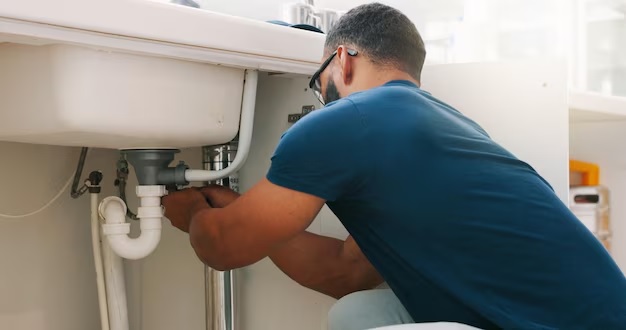
A home is not just a place to live; it’s an investment, a sanctuary, and a reflection of your lifestyle. Over time, however, homes endure wear and tear, from natural aging to the occasional unforeseen disaster. Whether it’s a cracked foundation, a leaky pipe, or poor drainage causing water to pool in your yard, the condition of your home can deteriorate without proper attention. Among the most critical aspects of maintaining a healthy, comfortable living space are repairs and effective drainage management. These not only protect the structural integrity of your home but also contribute significantly to its overall value, functionality, and comfort.
Improving your home through thoughtful repairs and proper drainage systems might seem daunting at first, but by approaching these tasks methodically and with the right knowledge, you can enhance your living space, extend the life of your property, and avoid costly damage down the road. Here’s how you can use repair and drainage strategies to elevate your home’s quality.
1. Start with Regular Home Inspections
The first step toward improving your home is a comprehensive inspection. Home maintenance is often about catching small issues before they balloon into expensive repairs. Whether you’re a new homeowner or have lived in your property for years, regular inspections are the best way to stay ahead of any potential problems.
Look for the following signs that may need repair or immediate attention:
-
Foundation Cracks: Cracks in the foundation are often the first sign that something is wrong, especially if they start to widen or appear around windows and doors. A compromised foundation can lead to severe structural damage if not addressed.
-
Roof Leaks: Check for water stains on ceilings or walls, and inspect the attic for any dampness or light coming through the roof. Roof repairs are often easier and more affordable when addressed early.
-
Plumbing Leaks: Plumbing issues such as leaks under sinks or in the basement can lead to water damage, mold, or even foundation problems.
-
Drainage Problems: Improper drainage or pooling water around the foundation can result in erosion, flooding, or structural damage.
Tip: Schedule professional inspections of critical systems—such as plumbing, roofing, and drainage—at least once a year. Proactive steps now can save you money and prevent inconvenience later.
2. Repairs for Structural Integrity
Maintaining the structural integrity of your home is paramount. Without it, even the most beautifully decorated rooms or landscaped garden will feel like they’re built on a fragile foundation.
Foundation Repairs
The foundation of your home is its backbone, so even minor damage can become a serious issue over time. Cracks in the foundation should never be ignored. While hairline cracks may seem insignificant, they can allow water to seep in, potentially causing mold growth or structural instability.
-
For Small Cracks: Use epoxy or polyurethane sealants to fill in small, non-structural cracks. These are easy to apply and can prevent water infiltration.
-
For Larger Cracks: A professional foundation repair company should be called to assess and correct the issue. Common solutions include foundation piering or underpinning, where supports are installed to stabilize the foundation.
Roof Repairs
Your roof protects your entire home, so addressing issues promptly is essential. Common roof problems include damaged shingles, leaks, or clogged gutters. These can lead to water damage inside the home and can weaken the structure of the roof over time.
-
Damaged Shingles: Replace missing or broken shingles as soon as you spot them. You can do this yourself if you’re comfortable with ladder work, or hire a professional roofer.
-
Clogged Gutters: Gutters that are filled with leaves, twigs, or debris can cause water to overflow and damage the roof or siding. Cleaning the gutters at least twice a year, especially in autumn, will help prevent this problem.
-
Leaks: If you notice damp spots or mold growth in the attic, it’s time to inspect your roof for leaks. A professional roofer will use flashing, sealants, or even replace parts of the roof to stop leaks.
Tip: Always address roof issues early. Delayed repairs can result in more extensive water damage, which is far more expensive to fix.
3. Drainage Solutions for Long-Term Protection
Effective drainage is essential to keeping your home safe from water damage. Proper drainage around your property ensures that water flows away from your foundation and doesn’t seep into your basement, crawl space, or yard. Poor drainage can lead to serious issues, including erosion, flooding, and foundation damage.
Gutters and Downspouts
Gutters and downspouts are your first line of defense against water damage. When they are blocked or improperly installed, water can pool around your home’s foundation and seep into your basement or crawl space. Ensuring that your gutters are clean and your downspouts are directing water away from the foundation is crucial.
-
Cleaning: Regularly clean gutters to remove debris. Clogged gutters can cause water to overflow and damage both the roof and foundation.
-
Extensions: Install downspout extensions that carry water at least 3-4 feet away from the house. This will prevent water from pooling around your foundation.
French Drains and Surface Drains
In areas where water tends to accumulate, installing a French drain or surface drain system can help redirect water away from the foundation. French drains are a popular solution for homes with frequent yard flooding, as they channel water through a perforated pipe buried in gravel. Similarly, surface drains can be installed at low points in the yard to catch rainwater and direct it away.
-
French Drains: These are excellent for dealing with long-term water accumulation, especially in areas like basements or crawl spaces.
-
Catch Basins: Install catch basins in areas where water collects, such as around the driveway or near a garden. These basins capture excess water and prevent puddles from forming.
Tip: Pay attention to landscaping and the slope of your yard. Ensure that the ground around your home slopes away from the foundation to encourage natural water flow away from the property.
Sump Pump Installation
In areas prone to flooding or where water tables are high, installing a sump pump in the basement can provide added protection. A sump pump directs excess water from below the foundation and pumps it out of your house before it can cause damage.
-
Maintenance: Test your sump pump regularly to ensure it’s working properly. Clean out any debris from the pit, and consider installing a battery backup in case of power failure during storms.
4. Waterproofing for Added Protection
Waterproofing is an extra layer of defense that can keep your basement, crawl space, and even your roof free from water damage. Modern waterproofing solutions can significantly reduce the chances of leaks and moisture buildup in your home.
-
Basement Waterproofing: If you live in a flood-prone area, consider professional basement waterproofing services. This could involve the installation of waterproof membranes, drainage channels, and sealants that prevent water from entering the basement.
-
Crawl Space Encapsulation: Encapsulating your crawl space with plastic sheeting or vapor barriers can help prevent moisture buildup and reduce the risk of mold and mildew.
Tip: Waterproofing is an investment that can prevent long-term damage, particularly in areas where heavy rainfall is common. It can also increase your home’s market value.
5. Regular Maintenance and Upkeep
While major repairs are sometimes unavoidable, regular maintenance can help minimize their frequency and severity. Seasonal maintenance tasks such as cleaning gutters, inspecting plumbing, and ensuring proper drainage are essential for keeping your home in top condition. Setting aside time each season to perform these tasks will help preserve your home’s integrity and avoid costly emergency repairs.
Tip: Create a seasonal maintenance checklist to track repairs and inspections. This will ensure that critical systems—like your roof, foundation, and drainage—are regularly assessed and maintained.
Conclusion
Improving your home through timely repairs and effective drainage management is an essential part of responsible homeownership. By addressing issues such as foundation cracks, roof leaks, plumbing problems, and drainage inefficiencies early, you can protect your home from expensive damage while enhancing its comfort and value. Regular maintenance and repair checks, coupled with effective drainage solutions, will ensure that your home remains a safe and functional environment for years to come. Whether you’re tackling minor fixes yourself or hiring professionals for larger repairs, the key is proactive action. Investing in your home’s structural health today will provide lasting benefits that make all the difference tomorrow.
You May Also Like
How Leaking Pipes Damage Hom ...
16 January 2026
Local Plumbing Expertise You ...
22 August 2025
Repair vs. Water Pressure: W ...
05 April 2025
Popular Post

Understanding Pool Compliance Certificates in NSW
15 September 2026
Elevate Your Interiors With Precision-Crafted Wall Mouldings
05 September 2026
