
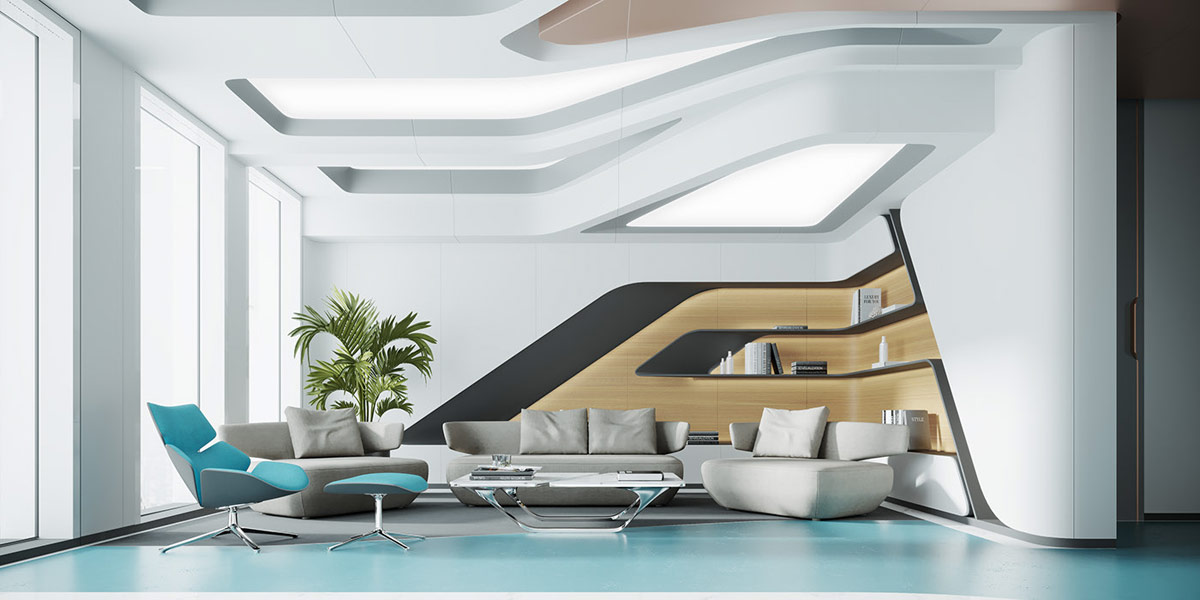
Smart homes are no longer just about automation—they’re becoming a reflection of personal style, sustainability, and intelligent living. Future-forward decor blends advanced technology with thoughtful design, creating spaces that feel intuitive, comfortable, and visually refined. Below are practical, stylish ideas to help your home look as smart as it functions.
Design Philosophy: Where Tech Meets Aesthetics
The most successful smart homes hide complexity behind simplicity. Decor choices should enhance technology without showcasing it aggressively.
Key principles to follow:
-
Minimalism with warmth to avoid a cold, overly technical feel
-
Integrated technology that blends seamlessly into furniture and architecture
-
Timeless forms paired with adaptable smart features
Intelligent Lighting as a Design Statement
Lighting is one of the most powerful decor tools in a smart home. Beyond convenience, it sets mood, highlights architecture, and enhances wellbeing.
Future-forward lighting ideas include:
-
Adaptive LED lighting that adjusts color temperature throughout the day
-
Recessed smart strips under cabinets, staircases, and shelving
-
Voice- or app-controlled ambient zones for work, relaxation, and entertainment
Well-designed smart lighting removes visual clutter while elevating the atmosphere.
Furniture That Does More Than Sit There
Smart furniture is redefining how we interact with everyday objects. The future of decor is functional, modular, and discreetly intelligent.
Look for pieces that offer:
-
Wireless charging surfaces integrated into tables and desks
-
Adjustable smart sofas and beds with posture and comfort settings
-
Hidden storage with automated access for a clean visual flow
These pieces reduce the need for extra gadgets while keeping spaces streamlined.
Sustainable Materials with Smart Purpose
Eco-conscious design is inseparable from future-forward decor. Smart homes increasingly rely on materials that are both sustainable and performance-driven.
Popular choices include:
-
Bamboo, cork, and reclaimed wood paired with modern finishes
-
Low-VOC paints and smart climate systems for healthier indoor air
-
Energy-monitoring displays styled as wall art or mirrors
This approach merges environmental responsibility with contemporary elegance.
Seamless Entertainment Integration
Entertainment tech should disappear when not in use. The future favors invisible immersion over bulky hardware.
Decor-forward solutions include:
-
Mirror TVs that double as wall art
-
In-wall or ceiling speakers for clutter-free sound
-
Motorized projector screens hidden within ceilings or cabinetry
The room stays visually calm while transforming instantly when entertainment is needed.
Smart Windows and Adaptive Privacy
Windows are becoming dynamic design elements rather than static features.
Innovative decor-friendly options:
-
Electrochromic glass that tints automatically based on sunlight
-
Motorized sheer and blackout curtains synced with daily routines
-
UV-filtering smart films that protect interiors without heavy drapery
These solutions balance natural light, privacy, and energy efficiency.
Personalization Through Automation Scenes
Future-forward decor isn’t static—it responds to lifestyle patterns. Automation scenes allow your space to change character instantly.
Examples include:
-
Morning scenes with warm light, open blinds, and soft music
-
Work modes that optimize lighting, temperature, and noise levels
-
Evening relaxation scenes with dimmed lights and muted tones
This level of personalization makes decor feel alive rather than fixed.
The Future Look: Calm, Clean, and Intelligent
The next generation of smart home decor prioritizes clarity over complexity. Technology fades into the background while design remains front and center. Homes feel calmer, more adaptive, and deeply personal—spaces that respond without demanding attention.
FAQs
What defines future-forward decor in smart homes?
It focuses on blending advanced technology with minimalist, functional design so that smart features feel natural rather than intrusive.
Can smart home decor still feel warm and inviting?
Yes. Using natural materials, soft lighting, and muted color palettes prevents smart interiors from feeling cold or overly technical.
Is smart decor suitable for small homes or apartments?
Absolutely. Smart furniture, adaptive lighting, and automation scenes are especially useful for maximizing smaller spaces.
How expensive is it to upgrade to future-forward smart decor?
Costs vary widely. Many upgrades, such as smart lighting or modular furniture, can be added gradually without a full renovation.
Does smart decor increase home value?
Well-integrated smart features and modern design elements often enhance resale appeal, especially when they improve energy efficiency.
How do I prevent tech from looking outdated?
Choose timeless furniture, neutral finishes, and modular systems that allow technology upgrades without redesigning the entire space.
Are smart homes harder to maintain?
Not necessarily. When designed properly, automation can reduce maintenance by optimizing energy use, monitoring systems, and minimizing wear on appliances.
You May Also Like
Home Decor Ideas to Transfor ...
14 December 2025

Decor Trends That Blend Tech ...
25 September 2025

How Home Decor Is Evolving w ...
21 September 2025
Popular Post

Understanding Pool Compliance Certificates in NSW
15 September 2026
Elevate Your Interiors With Precision-Crafted Wall Mouldings
05 September 2026
