

Home decor today is no longer just about aesthetics. It reflects how people live, work, relax, and connect within their spaces. As lifestyles become faster, more flexible, and technology-driven, interior design is adapting to meet new expectations of comfort, functionality, and sustainability. Modern living has reshaped homes into multi-purpose environments that balance beauty with practicality.
The Shift Toward Functional Design
One of the most noticeable changes in home decor is the emphasis on functionality. Homes are expected to serve multiple roles, especially as remote work and hybrid lifestyles become common.
-
Furniture now often features dual purposes, such as storage beds or extendable dining tables
-
Layouts prioritize open spaces that encourage movement and adaptability
-
Design choices focus on ease of use rather than purely decorative appeal
This functional mindset ensures that every element contributes to daily living without cluttering the space.
Minimalism with a Personal Touch
Modern decor leans heavily toward minimalism, but it has evolved beyond stark, empty interiors. Today’s minimalism emphasizes warmth and individuality.
-
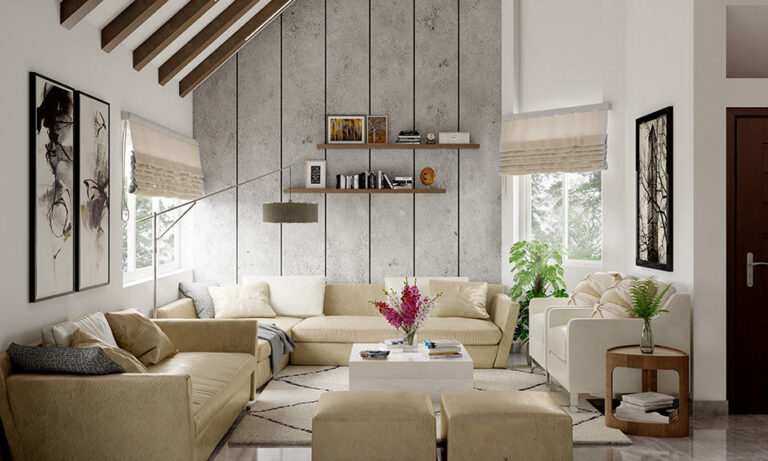
Neutral color palettes paired with textured materials like wood and linen
-
Fewer but more meaningful decor pieces, often with personal stories
-
Clean lines balanced by cozy elements such as rugs and soft lighting
This approach creates calm, organized homes that still feel inviting and personal.
Sustainable and Eco-Conscious Choices
Sustainability has become a central influence in how homes are decorated. Homeowners are increasingly aware of environmental impact and are choosing decor that aligns with responsible living.
-
Natural and recycled materials such as bamboo, reclaimed wood, and stone
-
Energy-efficient lighting solutions, including LED fixtures
-
Long-lasting furniture that reduces the need for frequent replacements
Eco-conscious decor supports both the planet and healthier indoor environments.
Technology-Integrated Interiors
Technology has seamlessly blended into modern home decor, enhancing comfort without overpowering design.
-
Smart lighting systems that adjust brightness and tone
-
Voice-controlled devices hidden within stylish fixtures
-
Wireless charging surfaces integrated into furniture
The goal is subtle integration, where technology supports daily life while maintaining a clean visual aesthetic.
Flexible Spaces for Modern Lifestyles
As homes take on more roles, flexibility has become essential. Decor now supports spaces that can easily shift purpose throughout the day.
-
Living rooms doubling as home offices or workout areas
-
Modular furniture that can be rearranged quickly
-
Sliding partitions or movable screens for privacy when needed
This adaptability allows homes to evolve with changing routines and family needs.
Nature-Inspired Design Elements
Bringing nature indoors has become a defining feature of modern decor. This trend responds to the desire for calm and balance in busy urban lives.
-
Indoor plants that improve air quality and visual appeal
-
Earthy tones inspired by landscapes and natural materials
-
Large windows and sheer curtains to maximize natural light
Nature-inspired decor creates a soothing atmosphere and strengthens the connection between indoor and outdoor living.
A More Human-Centered Approach to Decor
Ultimately, modern home decor is becoming more human-centered. Instead of following rigid trends, homeowners prioritize comfort, mental well-being, and self-expression.
-
Softer lighting for relaxed evenings
-
Spaces designed around daily habits and routines
-
Decor choices that reflect personality rather than status
This evolution highlights a shift from showrooms to real-life living.
FAQs
1. How has modern living influenced home decor trends?
Modern living has encouraged flexible layouts, multifunctional furniture, and technology integration to support changing lifestyles.
2. Is minimalism still popular in home decor?
Yes, but it has evolved to include warmer textures, personal items, and comfortable design elements rather than stark simplicity.
3. Why is sustainability important in modern home decor?
Sustainable decor reduces environmental impact, promotes healthier indoor spaces, and encourages long-term use of materials and furniture.
4. How can small homes adapt to modern decor trends?
Small homes benefit from multifunctional furniture, light color palettes, and smart storage solutions that maximize usable space.
5. What role does technology play in modern interiors?
Technology enhances convenience and efficiency, often through smart lighting, climate control, and integrated home systems.
6. Are natural elements necessary in modern home design?
While not required, natural elements help create calming environments and are widely used to improve well-being and visual harmony.
7. How can homeowners personalize modern decor?
Personalization comes through artwork, meaningful objects, custom layouts, and design choices that reflect individual lifestyles and preferences.
You May Also Like
Home Decor Ideas to Transfor ...
14 December 2025

Decor Trends That Blend Tech ...
25 September 2025

Future-Forward Decor Ideas f ...
23 September 2025
Popular Post

Understanding Pool Compliance Certificates in NSW
15 September 2026
Elevate Your Interiors With Precision-Crafted Wall Mouldings
05 September 2026
