
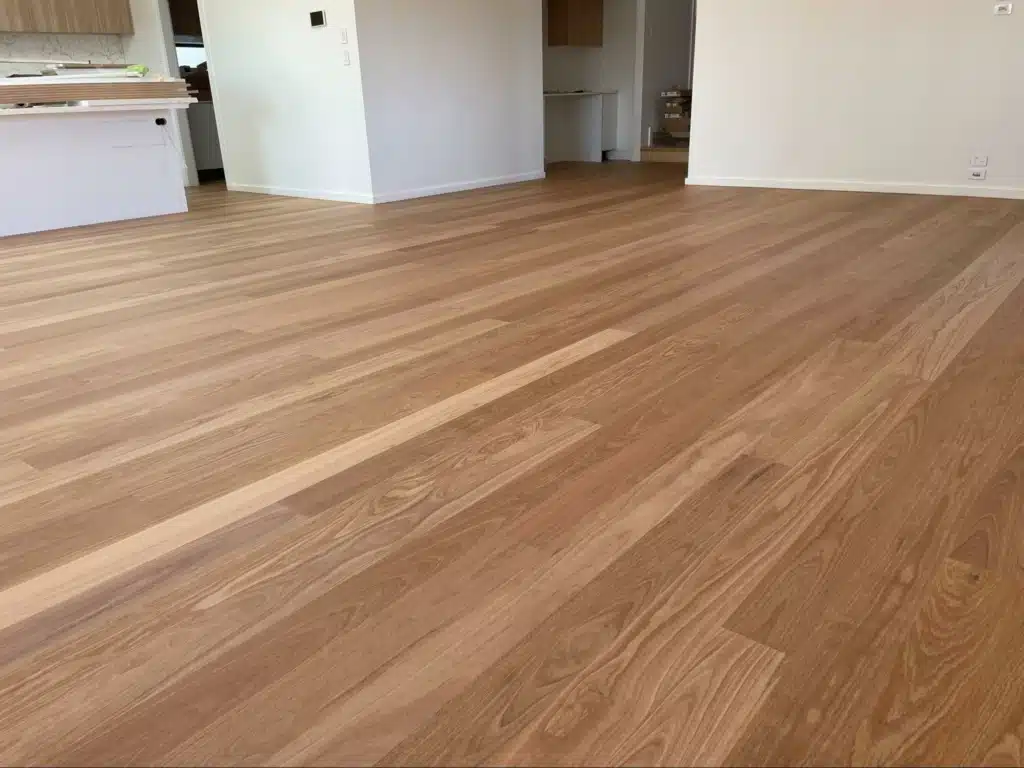
Timber floors add warmth and value to any Australian home, but the finish you apply decides how well they hold up over time. Waterborne floor finishes have become a popular choice across the country thanks to their fast drying times, low odour, and hard-wearing surface. Products such as Berger Seidle waterborne coatings are often compared when homeowners weigh up durability against ease of use.
Choosing the right finish depends on how you live. High-traffic hallways, kitchens, and homes with kids or pets place different demands on timber than a quiet study or bedroom. Waterborne options like a Berger Seidle finish are frequently discussed because they suit modern preferences for cleaner air indoors.
Before you settle on a product, it helps to understand the factors that separate one finish from another. Below are the practical points to weigh up.
Sheen Levels
Sheen affects both appearance and maintenance. Common options include matte, satin, semi-gloss, and gloss.
- Matte: Hides scratches and dust well. Suits relaxed, contemporary interiors.
- Satin: A soft glow that balances style and practicality. A common pick for Australian family homes.
- Semi-gloss and gloss: Reflect more light and highlight timber grain, but they show marks and footprints faster.
Pick a sheen that matches your cleaning habits. Lower sheens forgive more.
Durability
Timber floors take a beating from foot traffic, furniture, and daily wear. Look for finishes rated for residential or commercial use depending on your needs.
Two-component (2K) waterborne finishes generally offer higher abrasion resistance than single-component products. If your home sees heavy use, the extra toughness pays off. For lighter areas, a standard one-component finish often does the job well.
VOC Content
Volatile organic compounds affect indoor air quality. Waterborne finishes typically release far fewer VOCs than solvent-based products, which makes them a healthier option for enclosed spaces.
Check the product label for VOC ratings. Lower numbers mean less odour and a quicker return to normal living. This matters most in bedrooms, nurseries, and homes with sensitive occupants.
Application Ease
Some finishes go on smoothly and level themselves, while others need a steadier hand. Waterborne coatings dry quickly, so you can often apply several coats in a single day.
Fast drying also cuts down the time your floor stays out of action. Read the recommended coat numbers and recoat windows before you start, as rushing between coats can cause adhesion problems.
Suitability for Australian Conditions
Australia’s climate ranges from humid coastal zones to hot, dry inland regions. Temperature and humidity influence how a finish cures.
- In humid areas, allow extra drying time between coats.
- In hot, dry regions, avoid applying during peak heat to prevent rapid drying and lap marks.
- UV exposure can shift timber colour over time, so consider finishes with UV resistance for sun-facing rooms.
Match the product to your local environment for the best long-term result.
The right waterborne finish comes down to sheen preference, durability needs, VOC levels, application comfort, and your local climate. Weigh these factors against how you use each room, then test a small area first. A little planning now protects your timber floors for years to come.
Popular Post

Understanding Pool Compliance Certificates in NSW
15 September 2026
Elevate Your Interiors With Precision-Crafted Wall Mouldings
05 September 2026
