How to Create a Cooler Alfresco Area With Shade Sails This Summer
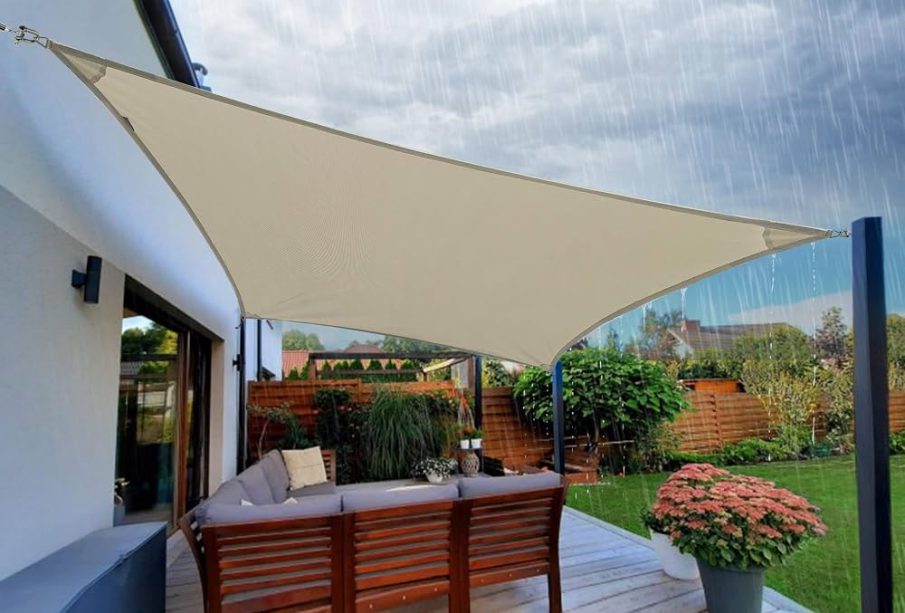
An alfresco area should be the most comfortable spot at home in summer. It often turns into the hottest. Paving radiates heat, the barbecue sits in full sun and the outdoor table stays empty until after dark.
A well-planned shade sail changes that. It blocks direct sun and UV before they reach people, furniture and hard surfaces. The right fabric and position can lower the temperature underneath by several degrees and keep the space usable through the afternoon.
Shade works best as part of a wider cooling plan. This guide covers sun mapping, placement, fabric, airflow, colour and simple add-ons, so your shade sail delivers real comfort on the hottest days.
Map the Sun First
Track the sun across your alfresco area on a clear December or January day. Check at 9 am, noon, 3 pm and 5 pm, and mark the hot spots with chalk.
In the southern states, the midday sun sits high and slightly north. In the tropical north, it can sit overhead or even to the south in summer. Across most of Australia, the harshest heat arrives from the west in the afternoon.
Place Shade Where It Counts
- Cover the west side first. Afternoon sun carries the most heat.
- Oversize the coverage. Extend the sail 1 to 1.5 metres past the seating area, because angled sun pushes shadows sideways.
- Shade the main zones. Cover the dining table, lounge and the path between the kitchen and outdoor area.
- Angle the low corner west. A lower western edge blocks late sun more effectively.
- Allow headroom. Keep the low point at about 2.4 metres or higher.
Choose the Right Fabric
- HDPE shade cloth breathes. Hot air escapes through the weave, so the space below stays cooler.
- Waterproof PVC blocks rain but traps more heat. Use it only where you need wet-weather cover, and give it a steep fall.
- UV block rating should sit above 90 percent. Check the figure for your chosen colour.
Keep the Air Moving
Leave a gap between the sail and your eaves or walls so trapped heat can escape. Avoid enclosing the sides with solid screens. A hypar design, with corners at alternating heights, channels breezes through the space. On the coast, orient the open sides to catch the afternoon sea breeze.
Add Cooling Features
- Outdoor fans: Mount IP-rated fans on posts or walls to move air across seating.
- Misting systems: These work well in dry heat around Perth, Adelaide and inland areas. They add little relief in humid Brisbane or Darwin.
- Plants: Grow climbers on screens, add potted plants and swap dark paving for garden beds or lawn where possible.
- Evening watering: Hose down hot paving at dusk to release stored heat.
Pick Colours That Stay Cool
Light colours such as white and sand reflect heat and keep the area bright. Dark colours such as charcoal block more UV and cut glare. Breathable cloth releases the heat they absorb. Mid-tone greys offer a good balance and suit most roofs and window frames.
Map the sun, cover the west side and size the sail past your seating. Choose breathable, UV-rated fabric and leave room for airflow. Add fans, misting or plants to suit your climate. Start this weekend by marking your hot spots, then plan shade around the areas you use most.